


How to Sound Like Polaris (Guitar Tone Breakdown)


Polaris built their sound around a specific kind of tension — genuinely aggressive, breakdown-heavy metalcore that never loses its emotional core. Their guitar tone has to hold up two different jobs in the same song: hit hard enough to carry some of the heaviest breakdowns in modern metalcore, while staying dynamic enough to support the atmospheric, almost post-hardcore-leaning melodic sections that sit right next to them.
The rhythm tone: aggression with restraint
It's tempting to build a breakdown-focused rhythm tone around maximum gain and low-end weight, but Polaris' tone stays more controlled than that. The aggression comes from tight, well-defined attack rather than sheer thickness — which means gain staging that leaves the pick attack intact instead of drowning it in saturation. That restraint is what lets the breakdowns feel genuinely heavy without turning into an undefined wall of low end, especially once bass and drums are stacked underneath.
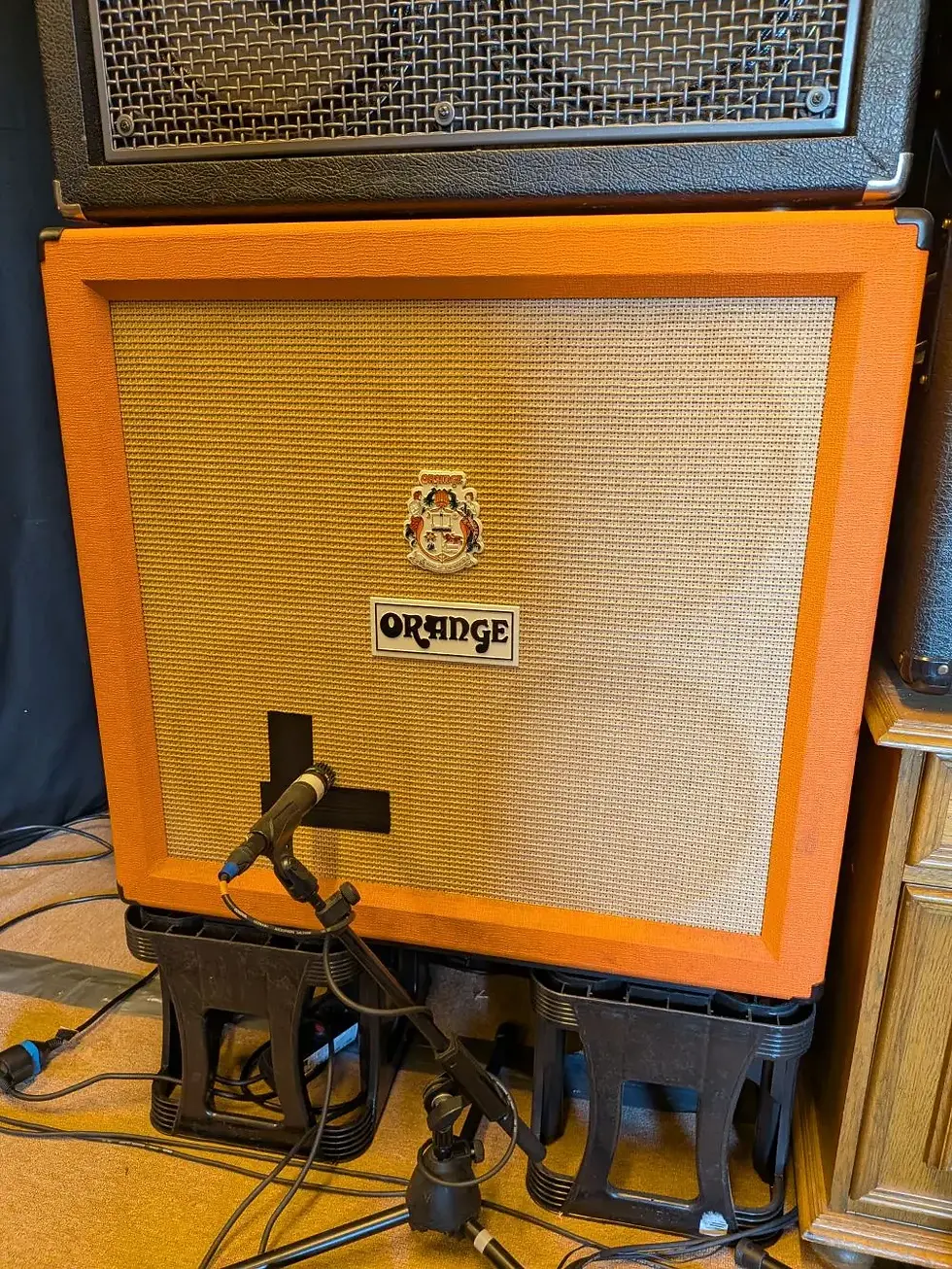
Mic choice plays into this too: a close, direct mic position keeps the attack forward and immediate, which matters a lot for a band whose breakdowns rely on rhythmic precision as much as raw weight.
The lead tone: built for technique, not just melody
Polaris' lead sections lean heavily into technical playing — fast alternate picking blending into tapping runs, with hammer-ons and pull-offs doing a lot of the melodic movement instead of picked notes alone. That kind of playing needs a tone that responds fast and stays articulate at speed, which is a different demand than a sustained, singing lead tone built mainly for long notes and vibrato.

A big part of getting that right comes down to pickup choice — these sections are often voiced from the neck pickup rather than the bridge, trading some of the bridge's bite and aggression for a rounder, warmer response that suits fast legato playing better and keeps hammer-ons and pull-offs sounding smooth instead of thin or clicky. Gain and compression have to stay controlled too — enough saturation to keep the tone connected to the rest of the song, but not so much that fast picking and tapping blur together into a wash of notes.
The atmospheric tone: mood without losing the edge
Where Polaris really separates from a lot of their peers is in the transitional and melodic sections — atmospheric, moody passages that still feel connected to the heavier parts of the song rather than existing as a separate "clean section." Getting that right means treating reverb and delay as mood-setting tools rather than decoration, dialed in carefully enough that the tone still feels like it belongs to the same guitar as the breakdown two bars later.

That contrast — controlled aggression on the rhythm side, technical precision on lead, and restrained atmosphere in between — is what makes Polaris' tone difficult to fully nail in a single amp sim chain, and it's exactly what we built toward in Archetype Gojira.
If you'd rather skip the trial and error, we built a preset pack chasing that exact balance — download it here and drop it straight into your session.

